Define the practice-specific controls before work starts
A water loss may affect reception, treatment rooms, storage, or shared building systems. The practice should identify the affected spaces and the contact who can coordinate access. Describe the building loss without sharing patient information.
Call (866) 552-5141 with your Palmdale address, what happened, and whether the source has stopped. Discuss independent provider availability, the initial assessment, and any source repair already arranged. The responding business confirms the work it can handle and its charges.
Route immediate decisions through the responsible practice contact
Name a facilities, office-management, or other authorized contact who can coordinate with the contractor. That person can arrange access, identify restricted areas, and direct questions about patient scheduling or work authorization to the right decision-maker. For a leased suite, bring the property manager into discussions about shared systems and building components.
Keep patients and staff away from standing water, unstable finishes, affected electrical devices, and areas of uncertain contamination. Use the facility's emergency procedures and appropriate professional assistance. Do not enter an unsafe area to recover records or to make a more detailed assessment before help arrives.
Check capability for the actual office and scope
Give the Palmdale address, suite, type of practice, and any room restrictions. Involve the property manager if shared systems or another tenancy may be part of the water path. Ask the provider about the controls needed for its proposed work.
Practice leadership and appropriate specialists should handle equipment suitability, sensitive records, and return-to-use decisions. General restoration work does not establish those outcomes. Request a written scope for the building tasks and identify responsibilities handled separately.
Describe the source without assuming the water is harmless
A supply-line failure, drain backup, roof leak, or leak from an adjacent tenant can each affect an office differently. Explain what is known and what remains uncertain. The provider should assess the source, spread, materials, and conditions before proposing cleaning and material-retention decisions.
Source repair may require a plumber, roofer, building engineer, or equipment vendor. Coordinate that work with the interior cleanup so both parties know whether water has stopped. If the issue involves suspected sewage, the contaminated-water cleanup guide explains why isolation and an appropriate assessment matter.
Protect records and control contractor access
Identify rooms, cabinets, devices, and containers that hold confidential information. The practice should determine who may handle those materials and what procedures apply before they are moved. Use an authorized internal contact or an appropriate specialist for sensitive records rather than assuming ordinary contents handling includes the necessary safeguards.
Explain escort requirements, keys, alarms, restricted photography, and any limitations on contractor entry. The restoration team still needs access to assess and dry affected building materials, so resolve conflicts through a clear plan. Recordkeeping and information-security decisions remain with the practice and its designated professionals.
Keep equipment evaluation with qualified service vendors
Clinical devices, diagnostic systems, sterilization equipment, refrigerators, computers, and electrical systems may require specific evaluation after exposure. Do not return an affected device to use merely because its casing or the surrounding floor appears dry. The appropriate qualified vendor should determine the relevant inspection and service needs.
Ask how equipment can be protected or moved to allow building cleanup without unauthorized disconnection. The restoration scope should state whether contents movement is included and where specialist assistance is required. Document the division of work so a device awaiting vendor review is not mistakenly treated as ready when the room's drying is complete.
Assess concealed moisture and plan the work area
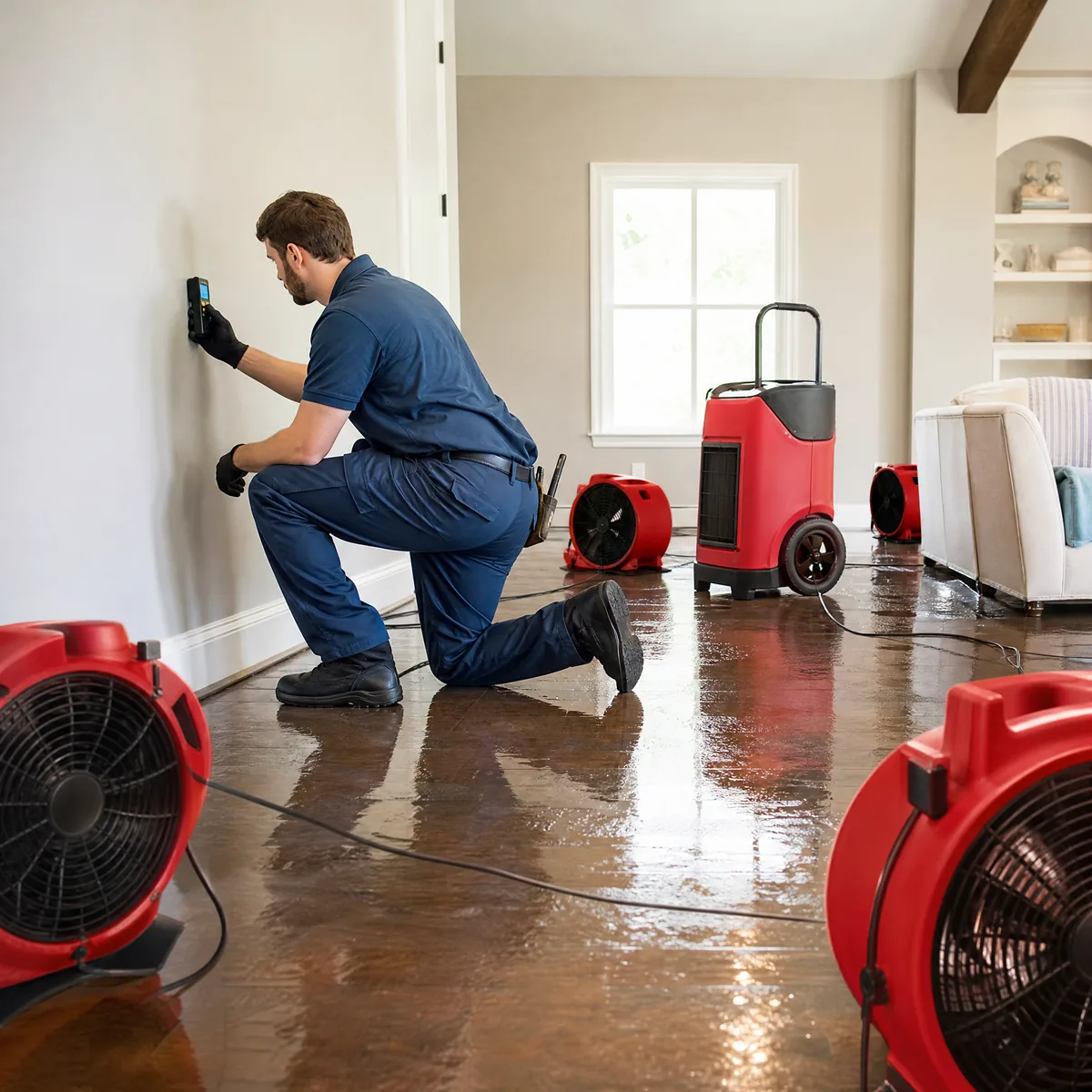
Water can reach wall bases, cabinetry, flooring layers, and adjoining rooms. The provider should explain which assemblies need assessment and how access will be obtained. Retaining a finish is useful only when the affected materials can be appropriately evaluated, cleaned, and dried for the conditions encountered.
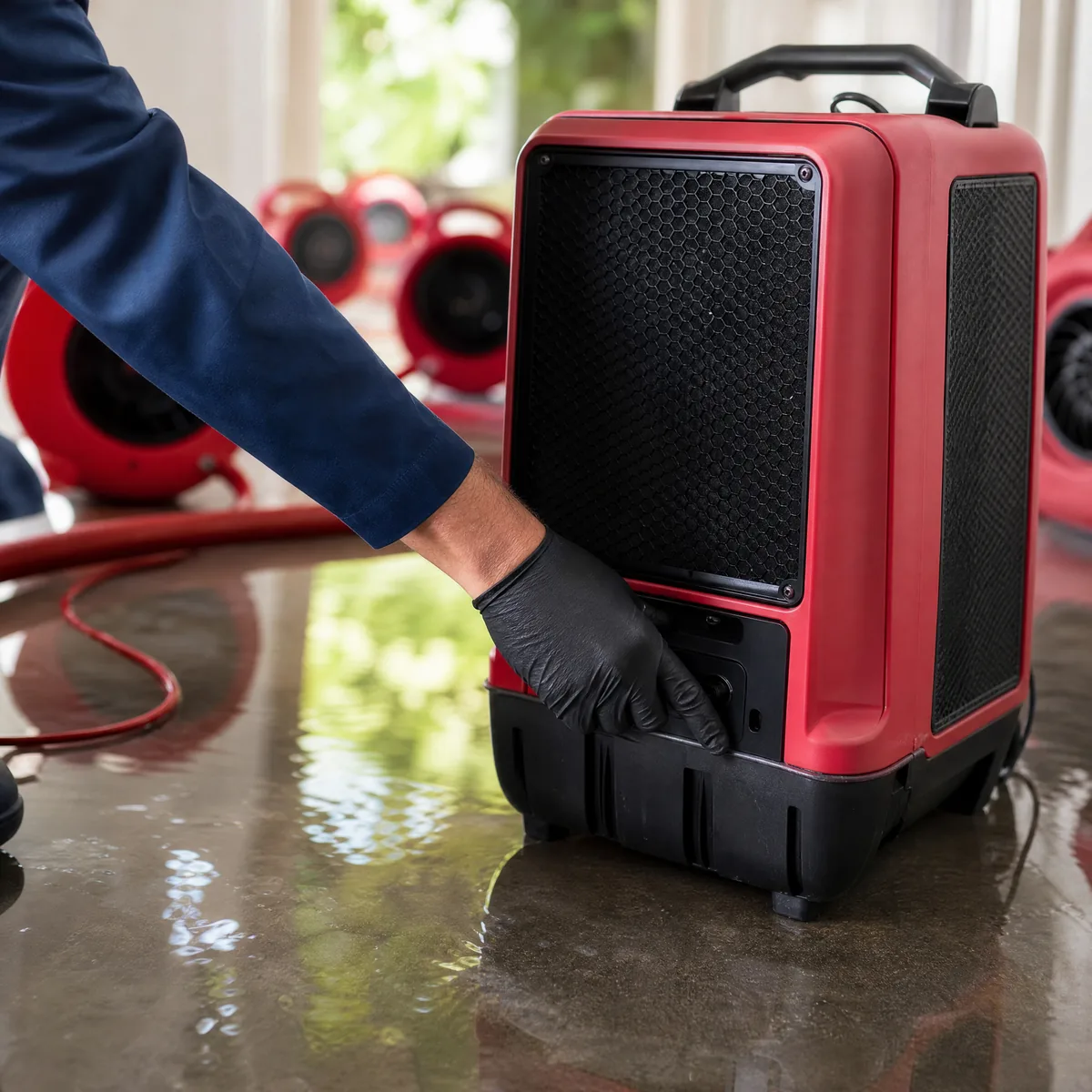
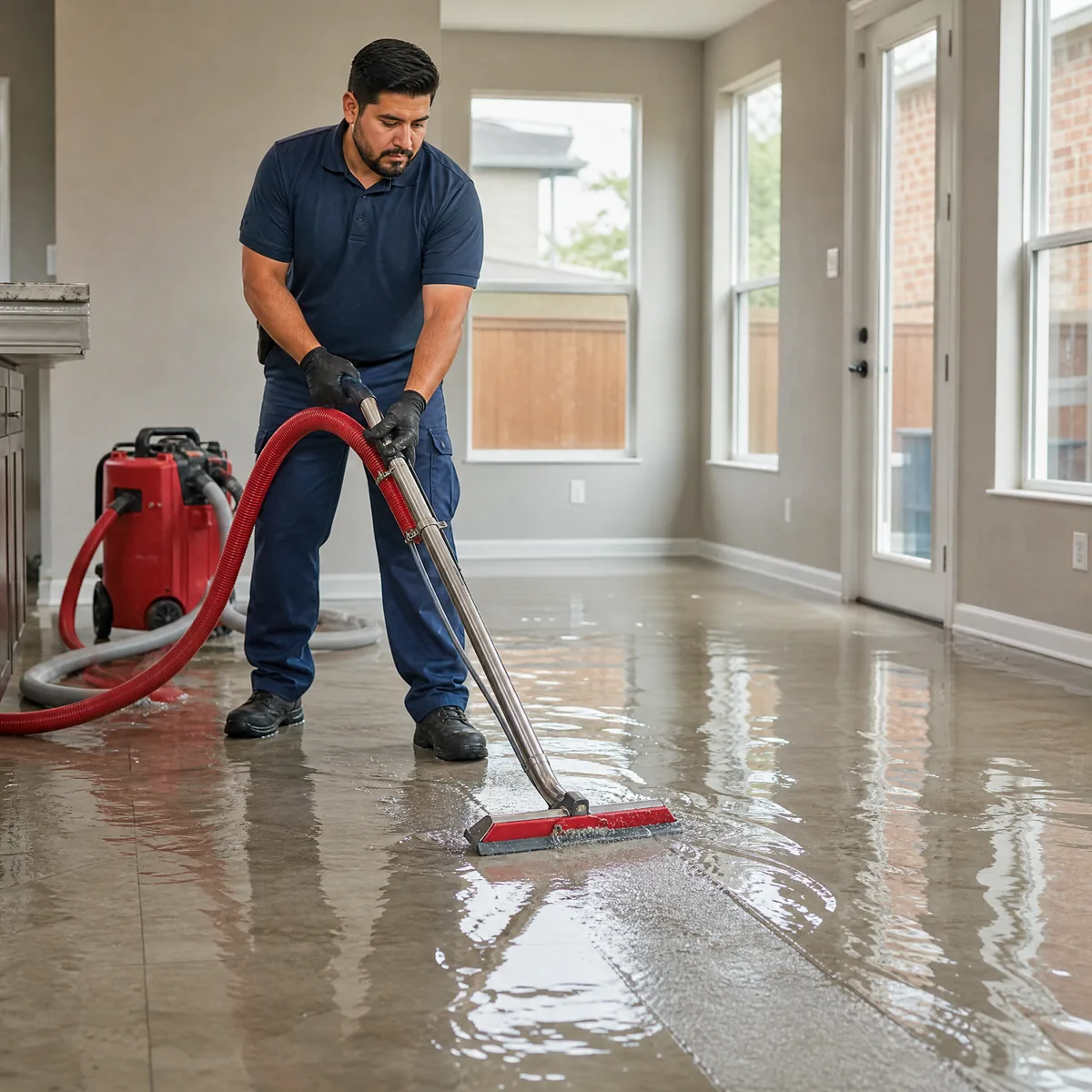
The plan may include water extraction, cleaning, material removal, and structural drying. Discuss separation from occupied areas, equipment placement, routes, and monitoring. Any additional environmental controls required by the practice need explicit coordination with the qualified personnel responsible for those requirements.
Plan patient activity around the actual restrictions
Management may need to relocate appointments, close rooms, or suspend activities while the loss is addressed. These decisions should consider the work area, utilities, access, contamination, and the practice's operating requirements. A dry-looking waiting room alone cannot establish that all nearby clinical activities may continue.
Request clear progress reports that identify completed work and unresolved items. Noise, equipment, repair dust, and specialist inspections can affect scheduling even after extraction is complete. Keep patients and staff informed through the practice's own communication procedures using information confirmed by the responsible professionals.
Complete the building work and the specialist reviews
Drying completion is one milestone. Repairs, equipment service, records handling, any required environmental review, and internal operating decisions may remain. Maintain a list of those tasks with a responsible party and status for each, so the practice can see what is needed before an affected room returns to use.
Call (866) 552-5141 with the Palmdale address, suite, source if known, rooms affected, and authorized contact. Describe specialized requirements before a visit is arranged, and confirm availability, inspection charges, and the proposed scope. The commercial restoration guide explains the broader coordination of source repair, mitigation, documentation, and reconstruction.
Medical office water damage: common questions
Does this service certify a medical office for clinical use?
Can patient records be included in contents handling?
Should wet medical equipment be tested by staff?
Can cleanup take place outside appointment hours?
Help for your Palmdale address
See the Palmdale and nearby area guides for access details. Call with the full address to confirm provider coverage and current availability.